Even after years in recovery, you might feel flat or disconnected—like the spark you were promised never fully showed up. You’ve done the work. You stayed sober. But now? Every day feels the same, and the excitement of early recovery has worn off.
That’s why understanding the arc of alcohol addiction treatment, and what comes after, matters just as much for you now as it did on day one. Our Alcohol Addiction Treatment in Los Angeles isn’t about a set number of days—it’s about building a life that keeps evolving long after the program ends.
There’s No Single Timeline for Recovery
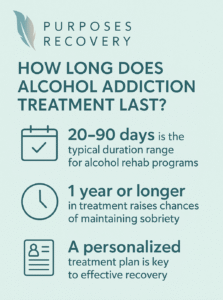
One of the first myths to let go of is that recovery has a “finish line.” Some people go through a 30-day residential program and feel ready to step down. Others might need six months to a year of structured care.
The timeline depends on:
- Severity and duration of drinking – Long-term heavy use may require more time for your body and mind to stabilize.
- Underlying mental health conditions – Anxiety, depression, or trauma can slow the process and require parallel treatment.
- Support system – People with strong sober networks often transition faster, while those without may benefit from extended programs.
- Life stability – Housing, work, and relationships can impact how quickly someone is ready to shift from treatment to independence.
If you think of recovery like physical training, some people need a few weeks of rehab after an injury; others need a year before they can trust their footing again. Neither is wrong—what matters is strength, not speed.
Treatment Is a Starting Point, Not the Finish Line
When you leave treatment, it can feel like stepping off a moving walkway at the airport—suddenly everything slows, and you’re the one doing all the moving. That’s when a lot of alumni get blindsided.
Treatment provides built-in structure: therapy schedules, peer check-ins, constant accountability. Once that structure falls away, the emotional noise of life can creep back in. Without ongoing support, it’s easy to feel aimless, even if you’re still sober.
That’s why the real question isn’t “How long does treatment last?” It’s “How will I stay connected once it’s over?”
What Happens After the Program Ends
Graduating from treatment doesn’t mean you’re on your own—it means you’re ready for a different type of support. Post-treatment options include:
- Weekly or biweekly therapy – Keeps emotional growth from stalling.
- Peer support groups – From AA to SMART Recovery, these meetings provide a safe place to share and listen.
- Alumni programs – Many treatment centers (including Purposes Recovery) offer ongoing events, groups, and outings.
- Regular check-ins – Monthly or quarterly conversations with a counselor to adjust coping strategies.
“I thought I was done after treatment,” one alumnus shared, “but staying connected was what kept me from drifting back into old patterns.”
The Plateau Is Real—and It’s Not Failure
Many long-term alumni hit what’s often called a “recovery plateau.” You’re not craving alcohol. You’re not on the verge of relapse. But you’re also not feeling inspired or fulfilled.
This plateau can happen for several reasons:
- Loss of novelty – Early recovery is full of “firsts.” Over time, daily life takes over.
- Neglected passions – You may have gotten sober but never replaced drinking with deeply satisfying activities.
- Emotional avoidance – Sobriety removes alcohol, but it doesn’t automatically resolve old wounds.
The plateau isn’t a sign you’re failing—it’s a sign your recovery needs a refresh. Think of it as upgrading your operating system. You’ve outgrown the old version, and it’s time to install new tools and routines.
Why Los Angeles Is a Recovery Resource in Itself
Recovery doesn’t have to exist inside four walls. In Los Angeles, your recovery network can be as big as the city itself:
- Beachfront meditation groups
- Outdoor AA meetings in park pavilions
- Art therapy collectives and sober creative events
- Hiking meetups in the Hollywood Hills
- Surf therapy and ocean-based recovery programs
This diversity means you don’t have to stick with one style of support forever. When things start to feel stale, you can explore new approaches without leaving the city—or your sobriety—behind.
Staying Engaged Means Staying Well
Recovery isn’t about living in fear of relapse—it’s about living in awareness of your needs. That means:
- Checking in with yourself emotionally, not just counting sober days
- Reaching out when you feel disconnected, not just when you’re in crisis
- Being willing to change routines when they stop working
If you’ve been feeling stuck, it’s not a sign you’ve done something wrong. It’s an invitation to get curious and reconnect with what keeps you grounded.
FAQ: Alcohol Addiction Treatment & Life After
How long does alcohol addiction treatment usually last?
Most programs range from 30 days to a year, depending on your needs. Some people start with intensive care and gradually step down to outpatient support over several months.
Can I go back to treatment if I’ve already completed it?
Yes. Many alumni return for “booster” programs, short stays, or outpatient refreshers when they feel stuck or at risk.
What’s the difference between aftercare and alumni programs?
Aftercare is structured, therapeutic support after treatment—like therapy or recovery coaching. Alumni programs are community-based, offering ongoing connection and events with other graduates.
Is it normal to feel disconnected after years of sobriety?
Absolutely. Long-term sobriety can sometimes feel flat. This is usually a sign that it’s time to re-engage with growth, purpose, and connection.
What if I don’t want to go back to formal treatment?
You can still reignite recovery through peer support, therapy, service work, creative outlets, or new personal challenges. The key is to avoid isolation.
Call (888)482-0717 or visit to learn more about our Alcohol Addiction Treatment services in Los Angeles, CA.