
You’ve done more than most people could.
You’ve cleaned up messes, covered for them, defended them to friends and family. You’ve stayed up all night waiting for the text, the call, the knock on the door. You’ve told yourself, “They just need to catch a break,” or “I know the real them is still in there.”
And you’re not wrong—there probably is a version of them that you love deeply. But here’s the thing:
Love—by itself—isn’t treatment.
If you’re in a relationship with someone actively struggling with substance use or mental health issues, and everything you’ve given still hasn’t changed the pattern, it might be time to consider a residential treatment program in Los Angeles. Not as punishment. Not as abandonment. But as the most powerful form of love there is: letting go of control and asking for real help.
Love Can Soothe, But It Can’t Stabilize
No matter how strong the bond, it can’t replace structure, detox support, medication management, or clinical therapy.
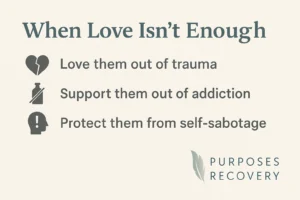
You can’t:
- Love them out of trauma
- Support them out of addiction
- Protect them from their own self-sabotage
And it’s not because you’re not trying hard enough. It’s because you’re not a 24/7 treatment team. You’re a human being who loves someone in crisis. That’s already more than enough.
A Residential Treatment Program Offers What You Can’t Do Alone
Right now, you may feel like you’re walking on glass—careful not to say the wrong thing, watching their moods shift by the hour, wondering what version of them you’ll get tomorrow.
That’s not a relationship. That’s emotional survival.
A residential treatment program gives your partner something neither of you can create at home: containment.
Here’s what that looks like in real life:
- Medical and psychiatric assessment to get an accurate picture of what’s going on
- Detox support, if needed, in a safe and monitored environment
- Daily therapy to work through core wounds, not just manage symptoms
- Group support to build new emotional muscles
- Time away from triggers that keep pulling them back into crisis
- Structure and routine to rewire their nervous system toward stability
When you take away chaos, clarity has room to grow.
Boundaries Aren’t Betrayal—They’re a Lifeline
It might feel brutal to say, “I can’t keep doing this.” But waiting for things to get even worse before drawing the line doesn’t make you more loyal—it just makes you more exhausted.
You’re allowed to say:
- “I’m not doing this cycle again.”
- “I love you, but I need to protect myself too.”
- “I will support you—if you’re willing to get help.”
The moment you stop rescuing them from consequences might be the moment they finally accept that they need more than you can give.
It’s Not About Abandoning Them—It’s About Choosing Real Help
We hear it from partners all the time:
“I didn’t want them to feel rejected.”
“I thought if I just hung in a little longer, they’d turn it around.”
“I felt like I was the only one who still believed in them.”
And we get it. You love them. You see the parts of them that are still whole, still worth fighting for. That’s not the problem.
The problem is, you’re fighting harder for their recovery than they are.
A residential treatment program in Kansas isn’t giving up. It’s giving them the best chance they’ve got to reclaim their life—and for you to reclaim your peace.
Why This Kind of Treatment Often Works When Everything Else Hasn’t
So maybe they’ve tried outpatient. Or started therapy and ghosted. Maybe they did a detox and came back “fine” for two weeks.
Relapse, avoidance, and emotional crashes are not uncommon when someone’s environment hasn’t changed—and neither have their tools.
A residential treatment program isn’t a magic fix, but it does interrupt the pattern in a way most other settings can’t.
Why?
Because it removes the chaos.
- No access to substances
- No friends feeding denial
- No cycle of lying, apologizing, then repeating
- No pretending everything is okay
Inside a strong residential program, denial can’t grow. Real work begins. And that’s what gives recovery a chance to root.
Stories That Start With Hard Choices Often End With Healing
Some of our favorite success stories began when a partner drew a hard line.
One woman told her fiancé, “I love you, but I won’t marry you until you go to treatment.”
He fought it—for weeks. But eventually, he walked through our doors. Now? He’s three years clean, they’re married, and they’ve both done their own healing.
Another man finally told his boyfriend, “I can’t keep you alive by myself.”
That conversation hurt. But it was the truth. And it led to a turning point.
We’ve seen it again and again: when the people who love us stop saving us, we finally learn how to save ourselves.
What You’re Allowed to Want—Even If They’re Still Struggling
You’re allowed to want peace.
You’re allowed to want consistency, connection, stability. You’re allowed to miss the version of them that could show up emotionally.
And you’re allowed to say, “This isn’t enough for me anymore.”
That doesn’t mean you don’t love them. It means you love yourself, too.
What If They’re Not Ready? What If They Refuse?
Here’s what we say to partners in that position:
- You’re not responsible for their choices.
- You can still take action, even if they don’t.
- You can talk to a treatment center. You can create a boundary. You can stop hiding it from your family.
- You can get your own support.
Sometimes, partners say no until someone finally calls their bluff with compassion. And sometimes, the conversation about going to treatment plants a seed that grows weeks or months later.
Nothing changes if no one names the truth.
Frequently Asked Questions for Partners Considering Residential Care
What if they say they “don’t need help”?
That’s denial talking—and it’s common. We can help you talk through language that invites honesty and offers treatment as a lifeline, not a threat.
Can I really say “I won’t stay unless you go to treatment”?
Yes. You are allowed to draw that line. You’re not saying “I don’t love you.” You’re saying “I love you enough to need more than this cycle.”
Will they be angry if I push for this?
Possibly. But short-term discomfort often opens the door to long-term recovery. Anger is part of the shift—it doesn’t mean you’re wrong.
What kind of treatment does Purposes Recovery offer?
Our residential treatment program in Missouri provides structured, therapeutic support for individuals dealing with substance use, mental health struggles, or both. We blend clinical expertise with compassionate care—and yes, we include family when the time is right.
What if I need help too?
Please don’t forget yourself in this process. We can help you connect with therapist referrals, support groups, and education on boundaries and codependency. You deserve support, too.
You’ve Done Enough. Now Let Real Help Step In.
You’ve given your love, your energy, your peace. You don’t need to give more.
Call (888)482-0717 or visit Purposes Recovery’s residential treatment program page, location in Illinois, Indiana, Kansas, Missouri, to learn how we can support your partner—and help you stop surviving and start living again.