
Sometimes the thought shows up quietly.
Not during a crisis. Not after a dramatic event.
Just a small but persistent question somewhere in the back of your mind:
What would happen if I actually stepped away from all of this for a while?
For many sober-curious people, the idea of treatment feels intimidating at first. It sounds extreme. Permanent. Like a life you can’t come back from.
But for some people, stepping into live-in treatment and round-the-clock support isn’t a life sentence.
It’s a reset.
A pause long enough to hear your own thoughts again.
Step 1: Stop Thinking of Treatment as “Rock Bottom”
One of the biggest misconceptions about treatment is that it’s only for people who have lost everything.
But that’s not how many people arrive.
Some people still have careers.
Some still have relationships.
Some are simply noticing that their relationship with substances is becoming harder to manage.
They’re not at rock bottom.
They’re just paying attention.
Sober-curious individuals often reach a moment where they start asking honest questions:
- Why do I feel like I need alcohol to relax?
- Why does stress feel harder to manage lately?
- Why does my mood feel unpredictable after using?
Those questions don’t mean your life is falling apart.
They mean you’re becoming aware.
And awareness is often the first step toward change.
Step 2: Give Your Nervous System a Break
Most people underestimate how much pressure their nervous system carries.
Between work, responsibilities, social expectations, and constant digital noise, life rarely slows down.
Substances often become a shortcut to relaxation.
Alcohol to unwind.
Medication to sleep.
Other substances to quiet racing thoughts.
But over time, these coping tools can start creating more stress than relief.
When someone steps away into a structured healing environment, something surprising often happens.
The nervous system begins to calm down.
Sleep improves.
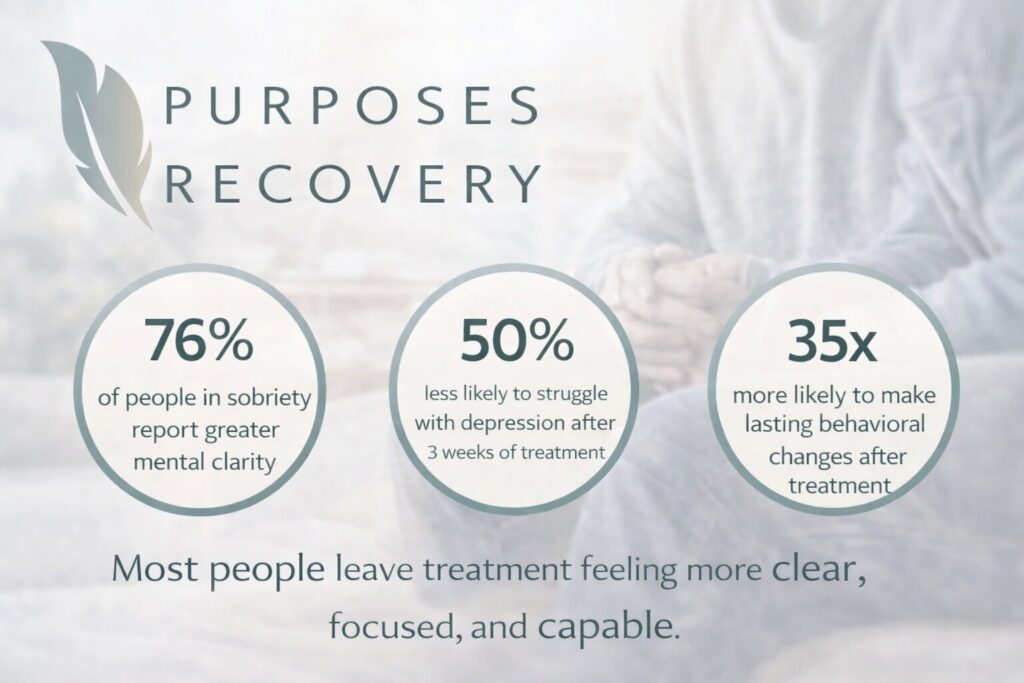
Thoughts become clearer.
Emotions feel less chaotic.
It’s like giving your brain permission to breathe again.
Step 3: Look at Your Habits Without Judgment
For many people, substance use didn’t begin as a problem.
It began as a solution.
A way to manage anxiety.
A way to relax socially.
A way to cope with overwhelming emotions.
But over time, the solution sometimes becomes another source of stress.
Treatment gives people the chance to examine those patterns honestly.
Not through blame or shame.
But through curiosity.
Why do certain triggers lead to certain behaviors?
What emotional needs have been hiding underneath those habits?
Understanding those patterns can be incredibly empowering.
Because once you see the pattern clearly, you have the ability to change it.
Step 4: Learn Skills That Actually Work
Many sober-curious individuals worry that stopping substances will leave them with no way to handle stress.
But treatment focuses on building real tools.
Practical ones.
Tools like:
- Recognizing emotional triggers early
- Regulating stress without numbing it
- Communicating honestly in relationships
- Managing anxiety and difficult emotions
These aren’t abstract concepts.
They’re skills people practice daily in supportive environments.
Over time, those skills begin replacing habits that once felt automatic.
What once felt impossible becomes manageable.
Step 5: Experience Life Without the Fog
Substances can change the way people experience their own lives.
Sometimes the changes are subtle.
Energy levels fluctuate.
Mood becomes less predictable.
Mental clarity fades.
People often don’t notice how much of their emotional life has been filtered until they step away from substances for a while.
During treatment, many individuals experience something unexpected.
Clarity.
They begin noticing small things again.
Better sleep.
Clearer thinking.
More stable emotions.
For some, it’s the first time in years they’ve experienced life without chemical interference.
And that experience can shift their perspective dramatically.
Step 6: Realize That Recovery Isn’t a Label
One of the fears sober-curious people often carry is the belief that treatment will permanently define them.
That once they enter treatment, they’ll be labeled forever.
But recovery isn’t about labels.
It’s about choices.
Some people leave treatment committed to lifelong sobriety.
Others continue exploring what a healthier relationship with substances looks like.
The most important outcome is clarity.
Because once someone sees their patterns clearly, they can make decisions based on awareness instead of habit.
Step 7: See That a Reset Can Change Everything
Sometimes the biggest benefit of treatment isn’t dramatic transformation.
It’s perspective.
When someone steps away from their normal environment for a while, they begin seeing their life differently.
They see what has been draining them.
They see what relationships matter most.
They see what habits they want to keep—and which ones they don’t.
It’s like stepping outside a noisy room.
Only then do you realize how loud it was.
That perspective alone can change the direction of someone’s life.
FAQ
Do people need to have a severe addiction to enter treatment?
No. Many people seek treatment simply because they want to understand their relationship with substances better. Some are sober-curious and want space to explore change before problems become more serious.
What if I’m not sure I want to quit substances completely?
That uncertainty is extremely common. Treatment can provide a safe space to explore those questions honestly without pressure or judgment. Many people arrive unsure and gain clarity through the process.
How long do people typically stay in treatment?
The length of treatment varies depending on individual needs. Some people stay for several weeks, while others remain longer to build deeper emotional and behavioral changes. The goal is to create enough time for meaningful progress.
Will I lose my independence if I enter treatment?
Treatment environments are designed to help people rebuild independence. The structure exists to support healing, not control individuals. Many people leave treatment feeling more capable of managing their lives than they did before entering.
Can treatment really help someone reset their life?
Yes. Many people describe treatment as the first time they stepped back from stress long enough to see their lives clearly.
That perspective often becomes the starting point for lasting change.
If you’re sober-curious and wondering whether a reset could help you see your life more clearly, support is available. Call (888)482-0717 or visit our live-in treatment and round-the-clock support to learn more about our residential treatment program services in Los Angeles, CA.